

Beaver Conservation
A healthier Wyoming, one wetland at a time.
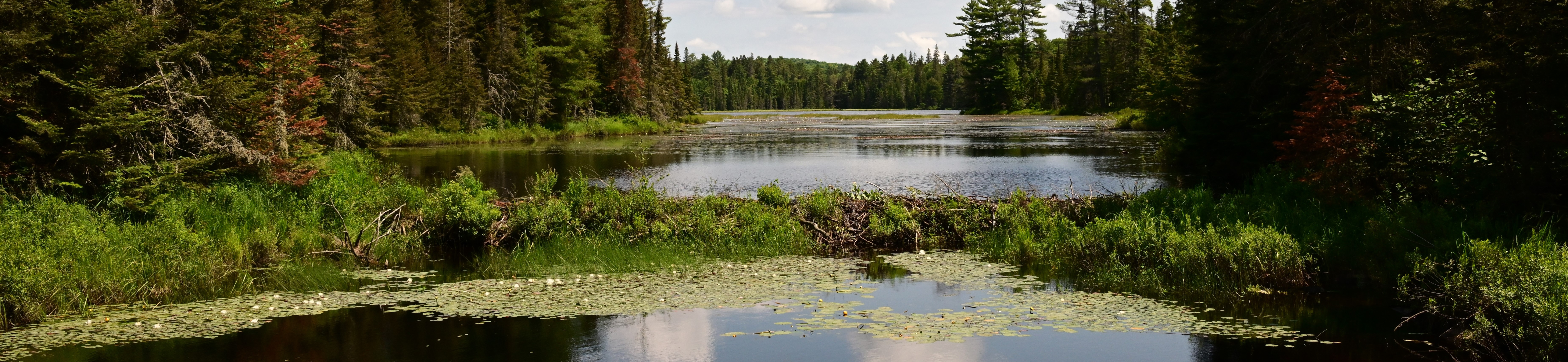
Beavers are ecosystem engineers. Their dams slow water, create wetlands, increase habitat complexity, and can provide benefits ranging from water storage and improved water quality to flood, drought, and wildfire resilience.
Yet we still don't have a clear statewide picture of where Wyoming's best opportunities for beaver restoration exist.
That's what this project will change.
Our team is bringing together scientists, conservation organizations, landowners, volunteers, and restoration partners to build the science, tools, and partnerships needed to increase beaver-occupied wetlands across Wyoming.
Donate to the Project
Explore Our Work
Help Us Build the Science Behind Beaver Restoration
Our first goal: $100,000
A gift to this project will support the foundational science needed to guide beaver conservation and restoration across Wyoming.
Your support will help us:
- Map Wyoming's best potential beaver habitat
- Identify where beavers are currently living
- Find areas where suitable habitat exists but beavers are absent
- Identify restoration opportunities that could support water storage and landscape resilience
- Engage volunteers and partners to verify data on the ground
- Build interactive tools and resources to support future restoration
The prospectus specifically calls for mapping habitat and occupancy, identifying "beaver deficiency," engaging volunteers in ground-truthing, incorporating wildfire and grazing data, and developing publicly accessible mapping and restoration resources.

Why Beavers?
Beaver activity can transform a landscape. Their dams may increase water retention, create wetlands, improve habitat complexity, and support biodiversity both in and around streams.
But beaver conservation and restoration aren't one-size-fits-all.
This project is working to better understand where beavers are making a difference, how ecosystems respond, and how science can help guide future conservation and restoration efforts.
Collaboration in Action
The Beavers in Wyoming project brings together expertise from organizations and researchers working across Wyoming and the West, including the Wyoming Natural Diversity Database, Wyoming Coalition for Animal Protection, University of Wyoming Biodiversity Institute, Utah State University, and Wyoming Untrapped.
By connecting research with real-world management, we hope to generate practical knowledge that can help guide future decisions across Wyoming and beyond.