

Why Beavers?
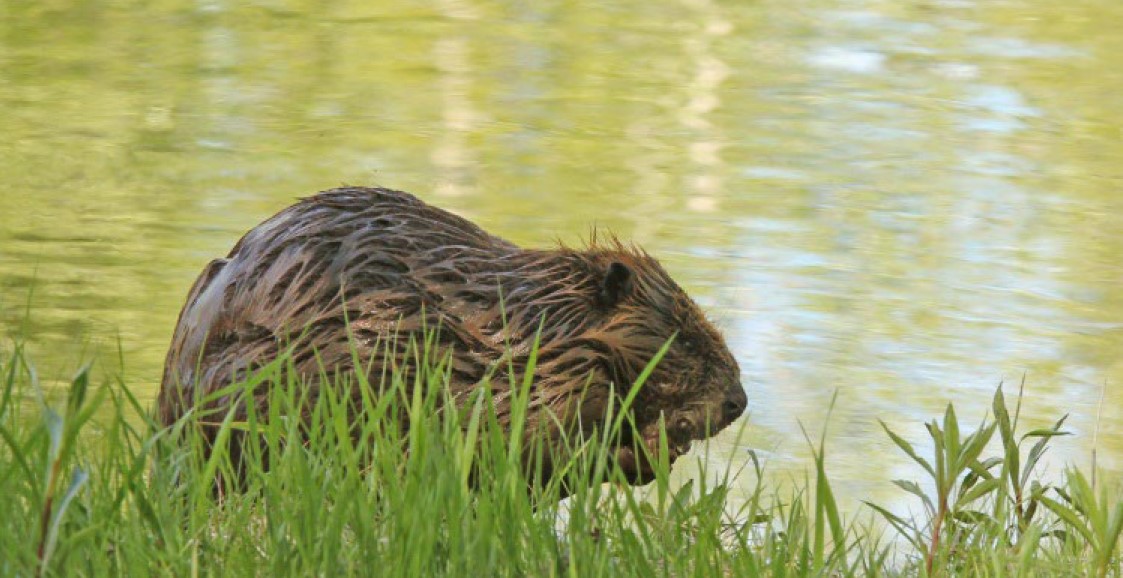
Photo by Lisa Robertson
Beavers Are Creating Wildfire-Resistant Areas
Recent studies show that beaver dams and ponds can increase water retention by hundreds of millions of cubic feet of water in a single watershed, minimizing flooding and creating natural fire barriers. The benefits of natural beaver occupancy to landowners and agricultural producers, water managers and users, sportspeople and guides, as well as wildlife advocates are innumerable.
CLICK HERE TO DONATE AND SUPPORT THE WYOMING BEAVER CONSERVATION PROJECT
Declines in Beaver Population and Dams
Prior to European colonization of North America, an estimated 60,000,000 – 400,000,000 beavers (Castor canadensis) created and maintained over 300,000,000 dams that converted about 10% of the continent to highly productive wetlands. In the Rocky Mountains region, millions of dams (e.g., an estimated 2.39 in Colorado alone) slowed the rush of high-elevation streams during snowmelt, creating wide, naturally irrigated, and highly productive valleys.
Beaver harvest by indigenous Americans was limited and played a minor part in their population dynamics. Since the early 1800s and the commercialization of fur trapping, however, beaver populations across the continent were driven to near extinction (~100,000 animals), with numbers today hovering around 10 to 15 million.
Beaver deficiency (the difference between habitat suitability and occupancy) varies by geographical region and state. For example, in Utah there are an estimated 15,746 beaver dams, in Montana 32,335, and in New Mexico only 4,372. The data on beaver deficiency and ecosystem services in Wyoming are scarce, although their value as ecosystem engineers was recognized several decades ago, leading to some restoration efforts beginning in the state in the late 1990s.

Pictured: The Alkali beaver dam in Bridger-Teton National Forest. Photo by Adam Bronstein.
Why This Matters to Wyoming
Wyoming’s rivers begin here and flow downstream to support communities, agriculture, wildlife, and ecosystems across the West. Beaver-created wetlands can help slow and store water on the landscape, creating habitat for a wide variety of species while helping watersheds stay healthier and more resilient to drought, wildfire, and a changing climate. By understanding and supporting beaver activity, we can explore a natural way to strengthen Wyoming’s watersheds - and the communities and ecosystems that depend on them.